The bulk of this growth will be concentrated in the Ipswich and Gold Coast Local Government Areas (LGAs), each expected to add over 300,000 new residents. This rapid population increase will have major impacts on housing demand, workforce development, transportation infrastructure, and regional connectivity*.
Infrastructure and Economy
The Gold Coast’s lifestyle and infrastructure—such as the light rail, upgraded casino, and expanded shopping centres—are attracting buyers. A $63 billion construction pipeline, including $11.4 billion for transport, $8 billion for medical facilities, $7.9 billion for commercial projects, $9.1 billion for leisure and tourism, and $25 billion for residential developments, is set to boost the economy and create jobs. This positive outlook is supported by major infrastructure projects and high migration rates ahead of the 2032 Olympic Games.
Employment
In 2021, the Gold Coast’s economy was valued at $39 billion, contributing 10.5% to Queensland’s GDP. The tourism sector, which supports 44,000 jobs and 26,000 small businesses, is expected to inject $45 billion into the economy over the next decade. The 2032 Olympic Games will further enhance the region’s economic benefits through various event venues and a new tourism strategy.
Population Growth
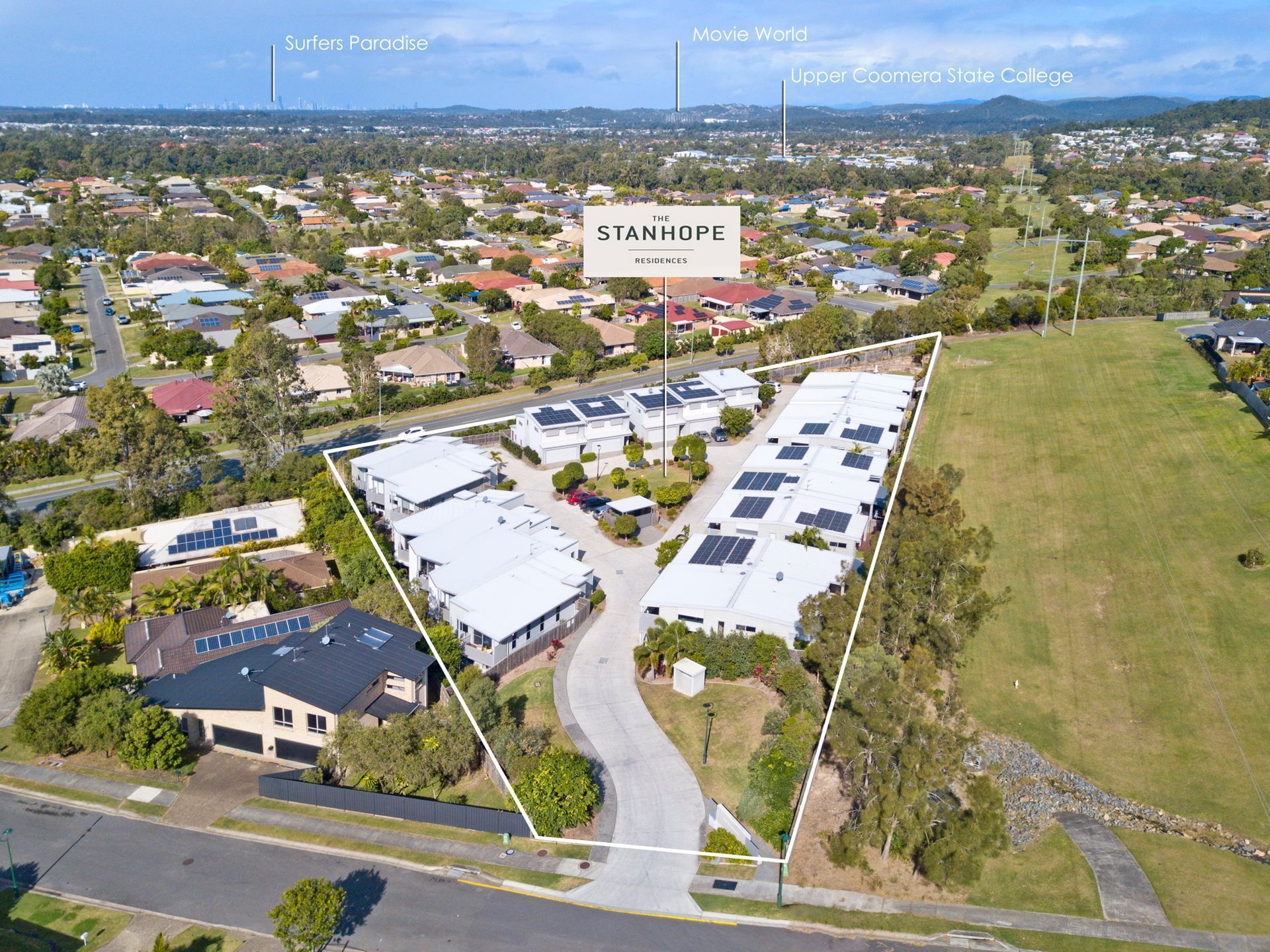
As Australia’s sixth largest city, the Gold Coast has grown by 9.1% over the past five years, matching Brisbane's growth rate. It is expected to surpass 1 million residents within the next 15-20 years, ahead of previous forecasts. Much of this growth is occurring in suburbs along the northern corridor between Helensvale and Brisbane. For example, according to the ABS, Pimpama had the highest growth rate (13%) of any area outside a capital city in FY2021, up 2,800 people. The Gold Coast population is forecast to reach one million by 2041, much earlier than the previous prediction of 2050.
Housing Shortage
There are widespread shortages throughout the Gold Coast market, including properties for sale, rental properties, and new dwellings under construction. This shortage is driving up prices and rents, with all postcodes experiencing vacancy rates below 3%, many under 2%. Colliers’ Gold Coast Market Overview 2023 notes that strong demand and limited stock are defining the market, with land also in short supply.
With all of this in mind, now is the perfect time to enter the property market. Recent developments like The Brandon Residences have already made waves in Pimpama, and with exciting opportunities emerging at The Mill Residences the area continues to grow as a prime location for homebuyers.
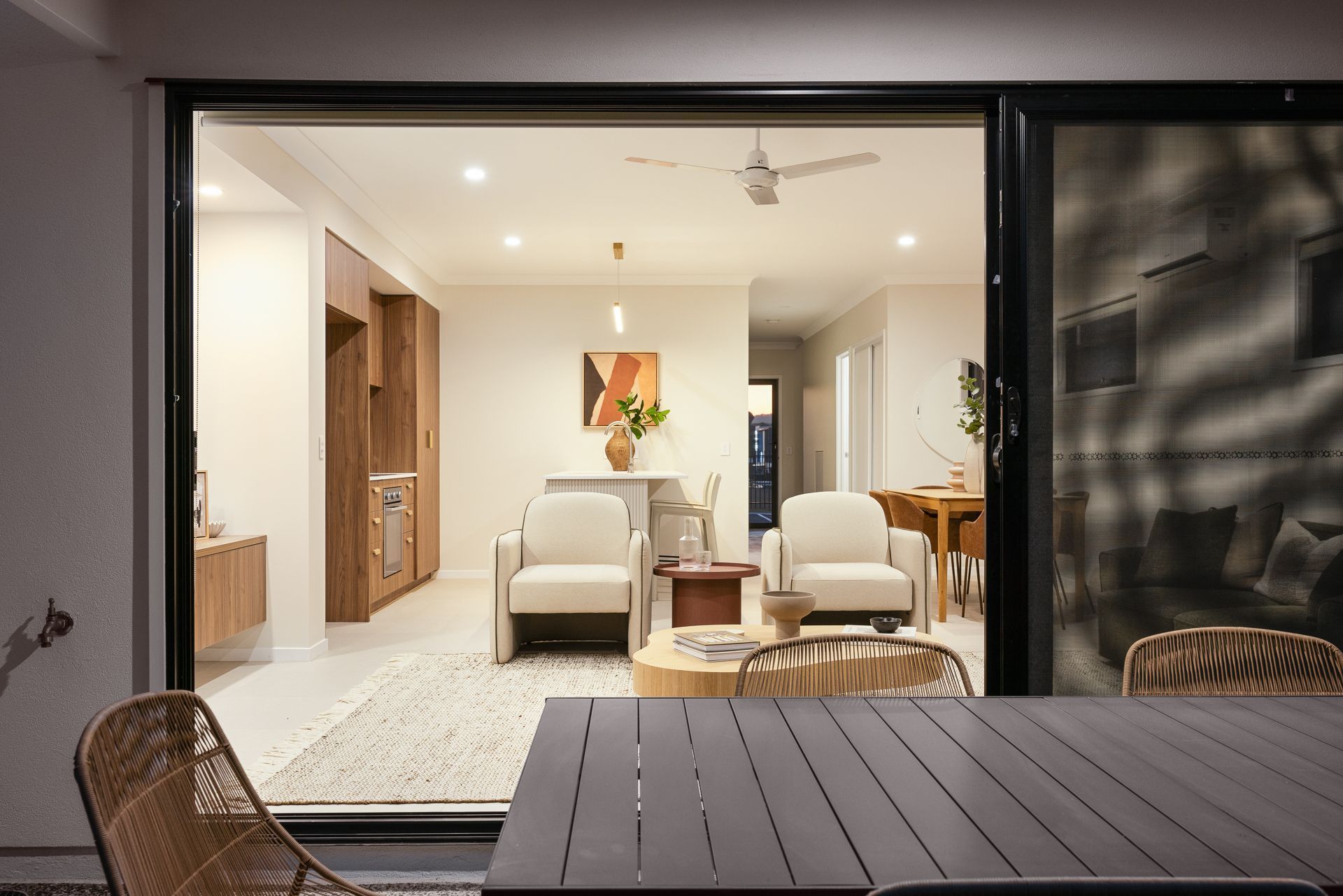
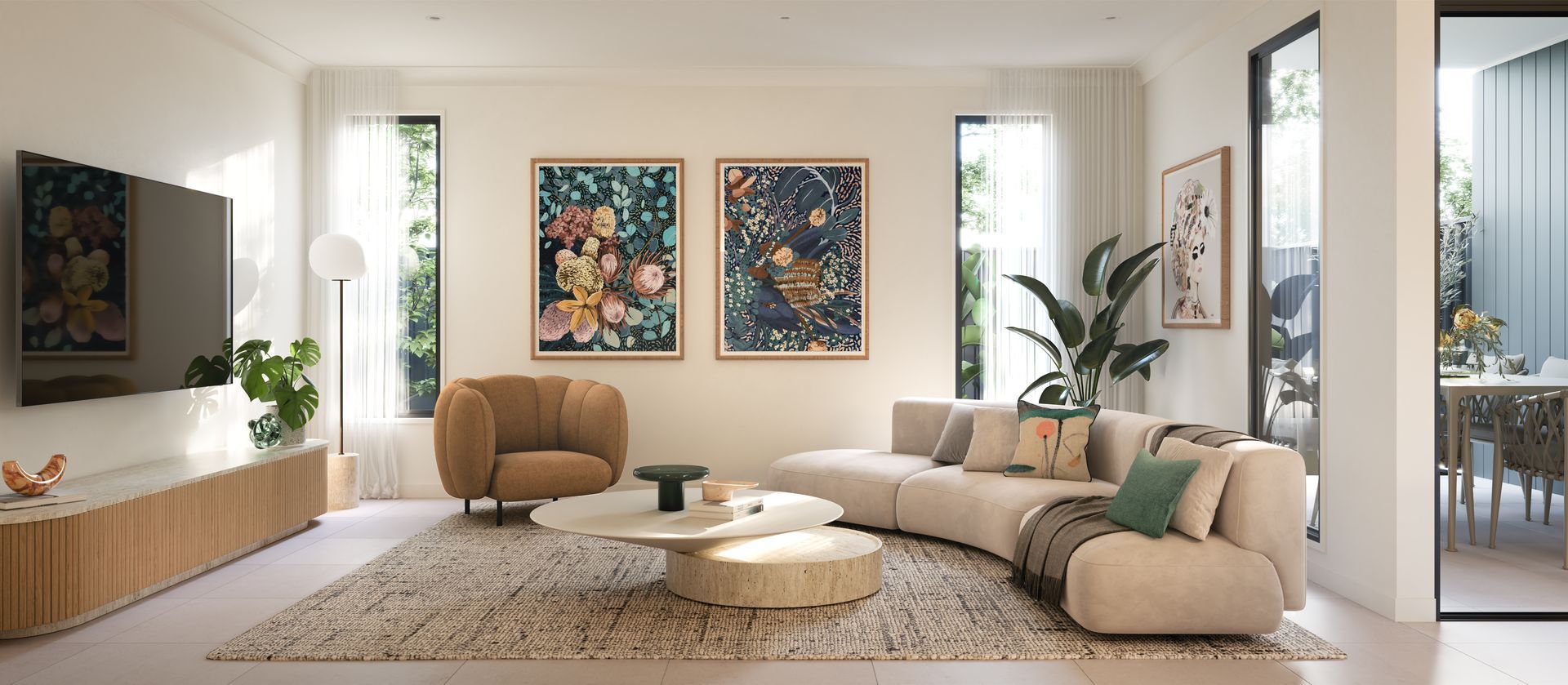
The Mill features 128 modern lifestyle townhomes, equipped with exclusive amenities such as a leisure centre, an activity hub, and a resort-style pool, offering an idyllic living experience. If you and your family are in the market for a stylish, contemporary townhome, reach out to Bos Property on 07 3807 9544, and our team will be happy to help you find the perfect home.
*Source:
https://www.infrastructure.gov.au