
Boutique Property Developers On The Gold Coast: Why Smaller Scale Means Better Results
Exploring the advantages of personalised service, tighter quality control, and smarter community planning.
On the Gold Coast, development is constant.
Cranes rise. Estates expand. New communities emerge across coastal and northern corridors. Yet not all development is created equal.
As demand continues to grow, many buyers and investors are searching for a boutique property developer Gold Coast-wide rather than engaging with high-volume operators. This shift is not about marketing preference.
It reflects a deeper understanding of how scale influences quality, design consistency, and long-term outcomes.
A smaller scale does not mean a smaller impact. In many cases, it delivers stronger results.
The Difference Between Volume And Boutique
Volume builders and large-scale developers operate on throughput. High site numbers. Standardised designs. Compressed timelines driven by efficiency targets.
Boutique property developers take a different approach.
Fewer projects. Greater oversight. Intentional design. Deeper involvement at every stage of the development lifecycle.
On the surface, both models deliver housing. Beneath that surface, the experience and long-term performance can vary significantly.
The distinction lies in attention.
Quality Control At Every Stage
Quality is not defined by finishes alone. It is shaped through every phase of development.
With smaller-scale projects, oversight is tighter. Directors and senior project managers remain directly involved from land acquisition through to construction completion. Decisions are not filtered through multiple corporate layers.
This proximity strengthens accountability.
Site inspections are frequent. Trade coordination is closely monitored. Materials are selected deliberately rather than solely for procurement efficiency.
For those searching for a property developer near me who prioritises durability over volume, boutique scale often translates into measurable quality control.
The result is consistency not only in presentation, but in structural integrity and workmanship.
Design Consistency And Architectural Integrity
Large volume developments often rely on repeated templates. Efficiency is achieved through standardisation.
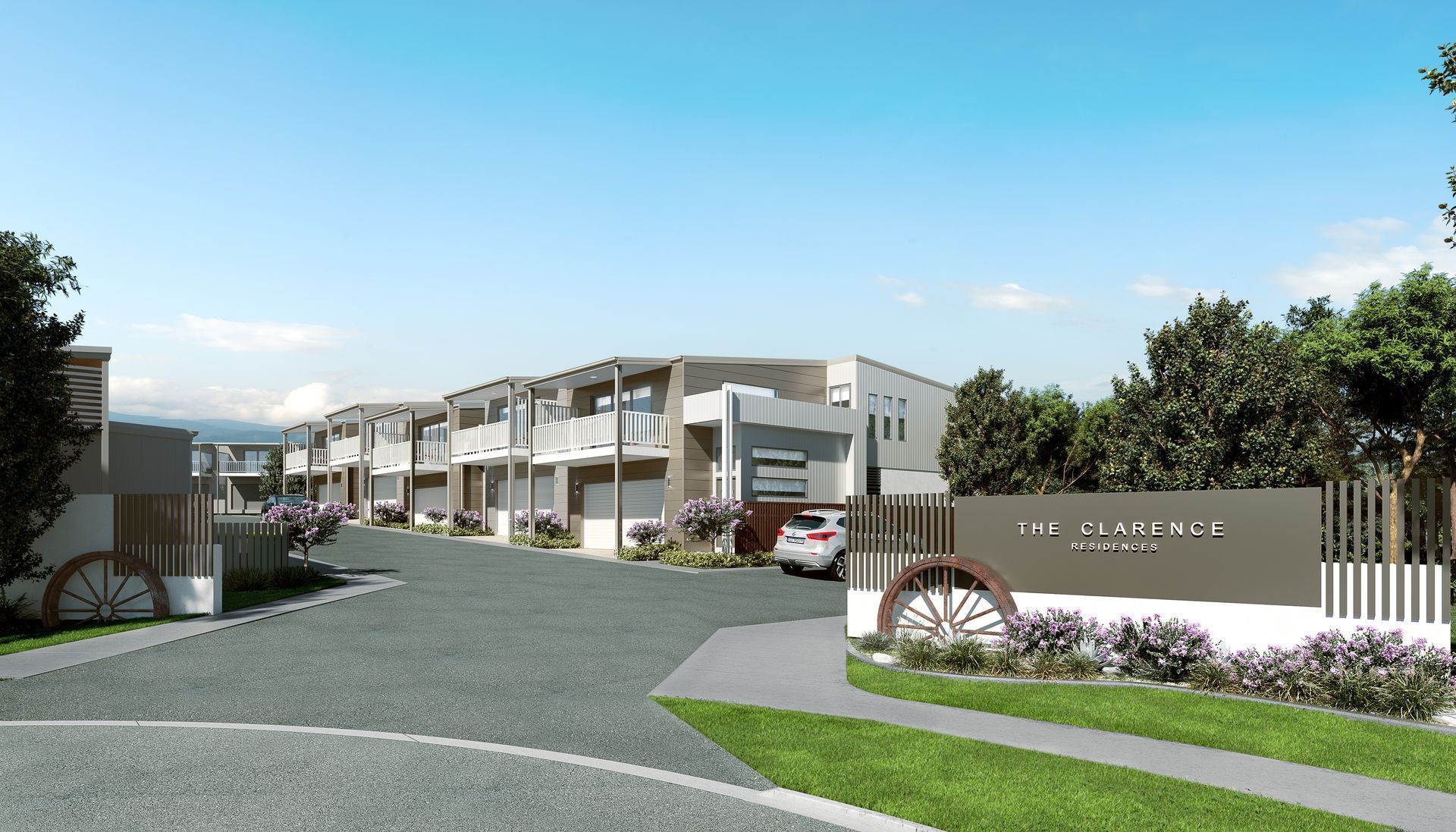
Boutique developers tend to invest more heavily in architectural cohesion and contextual design. Each site is approached with sensitivity to the surrounding streetscape, landscape, and community character.
On the Gold Coast, this matters. Coastal precincts require climate-responsive design. Northern growth corridors demand thoughtful integration with emerging infrastructure. Established suburbs call for a balance between innovation and respect for existing character.
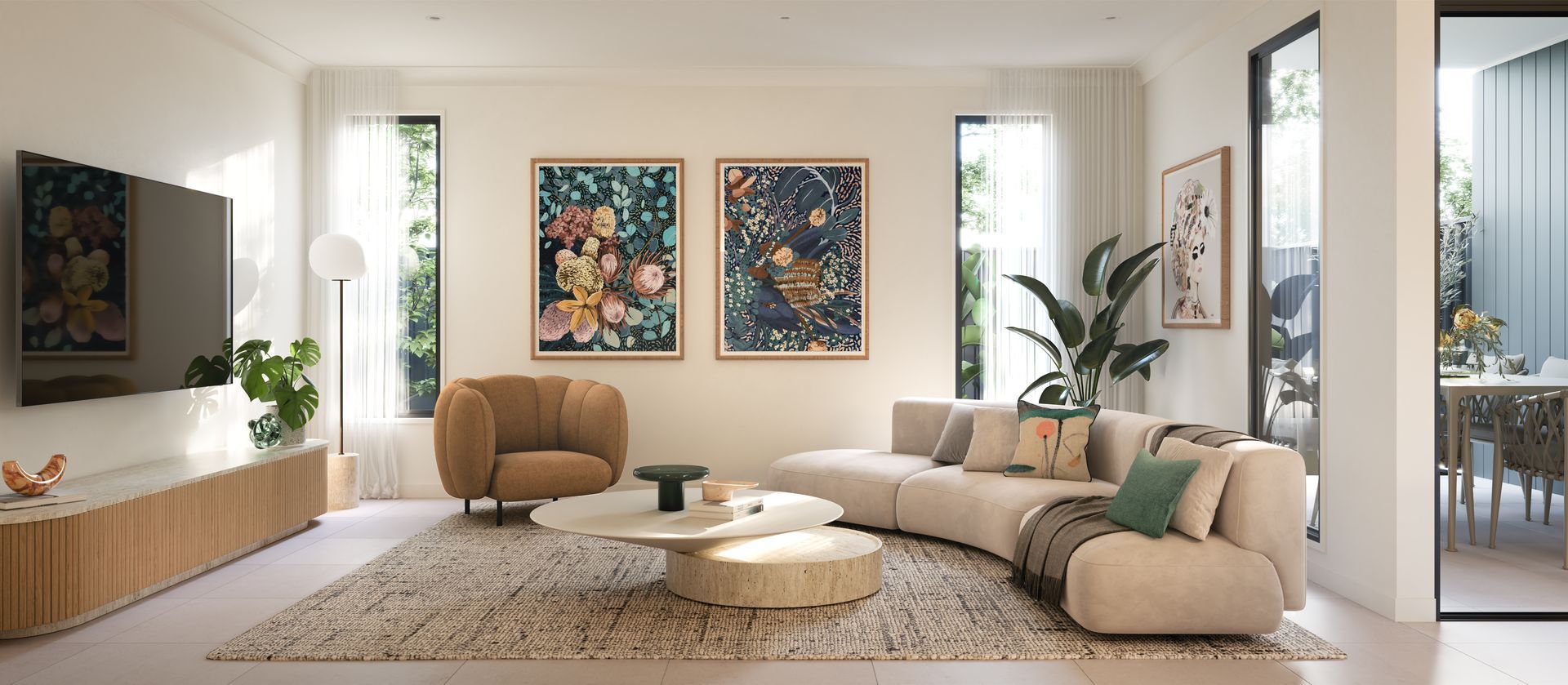
Smaller-scale developments allow for refinement. Floor plans are tailored. Landscaping is integrated rather than appended.
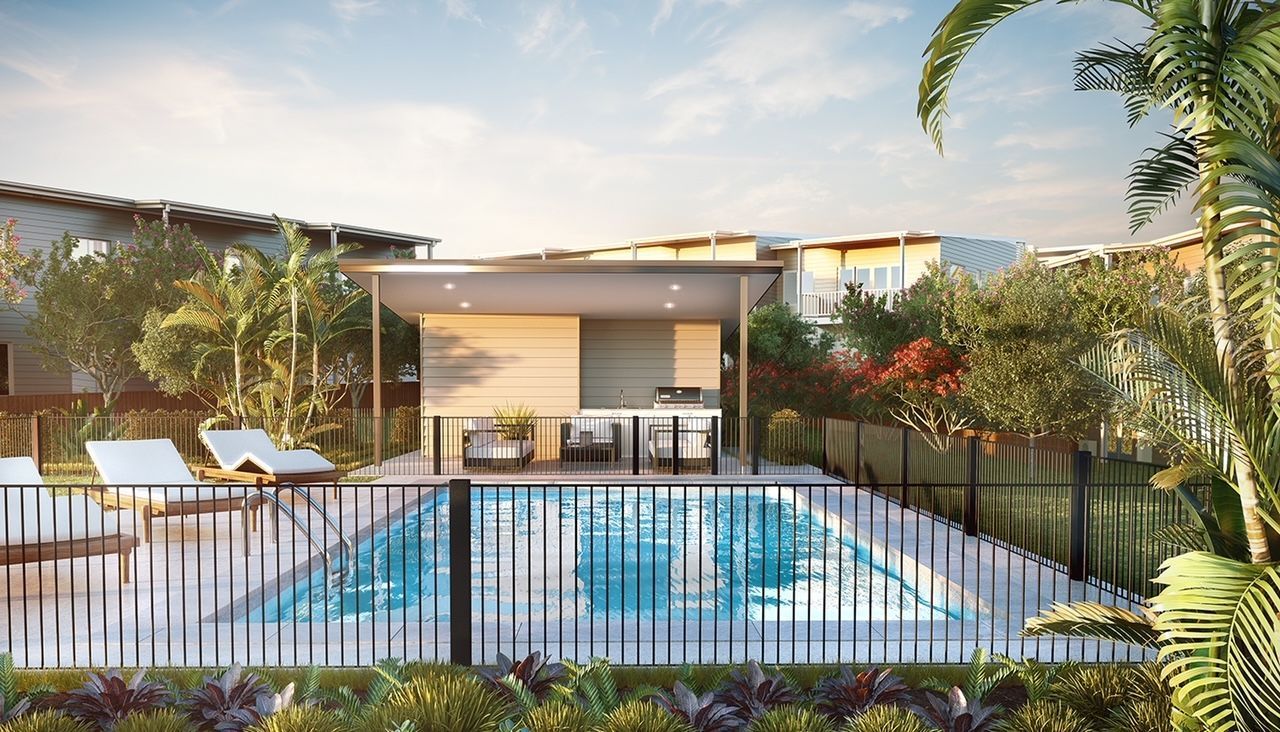
Communal spaces are intentionally positioned to encourage connection without compromising privacy. Design consistency elevates a project from housing to community.
Realistic And Managed Timelines
Scale influences scheduling.
High-volume operators often manage multiple large projects simultaneously. Resource allocation shifts as priorities change. Delays in one stage can ripple across portfolios.
Boutique property developers typically maintain tighter project pipelines. With fewer concurrent builds, timelines are monitored closely, and adjustments are made quickly.
This does not mean projects are rushed. It means they are controlled.
Clear scheduling supports buyers and investors alike. Predictability reduces financial uncertainty and strengthens trust.
In a competitive Gold Coast market, delivery discipline distinguishes experienced boutique developers from transactional operators.
Community Outcomes Over Density Targets
Volume development frequently prioritises yield. Maximising site capacity drives profitability.
Boutique development focuses on livability.
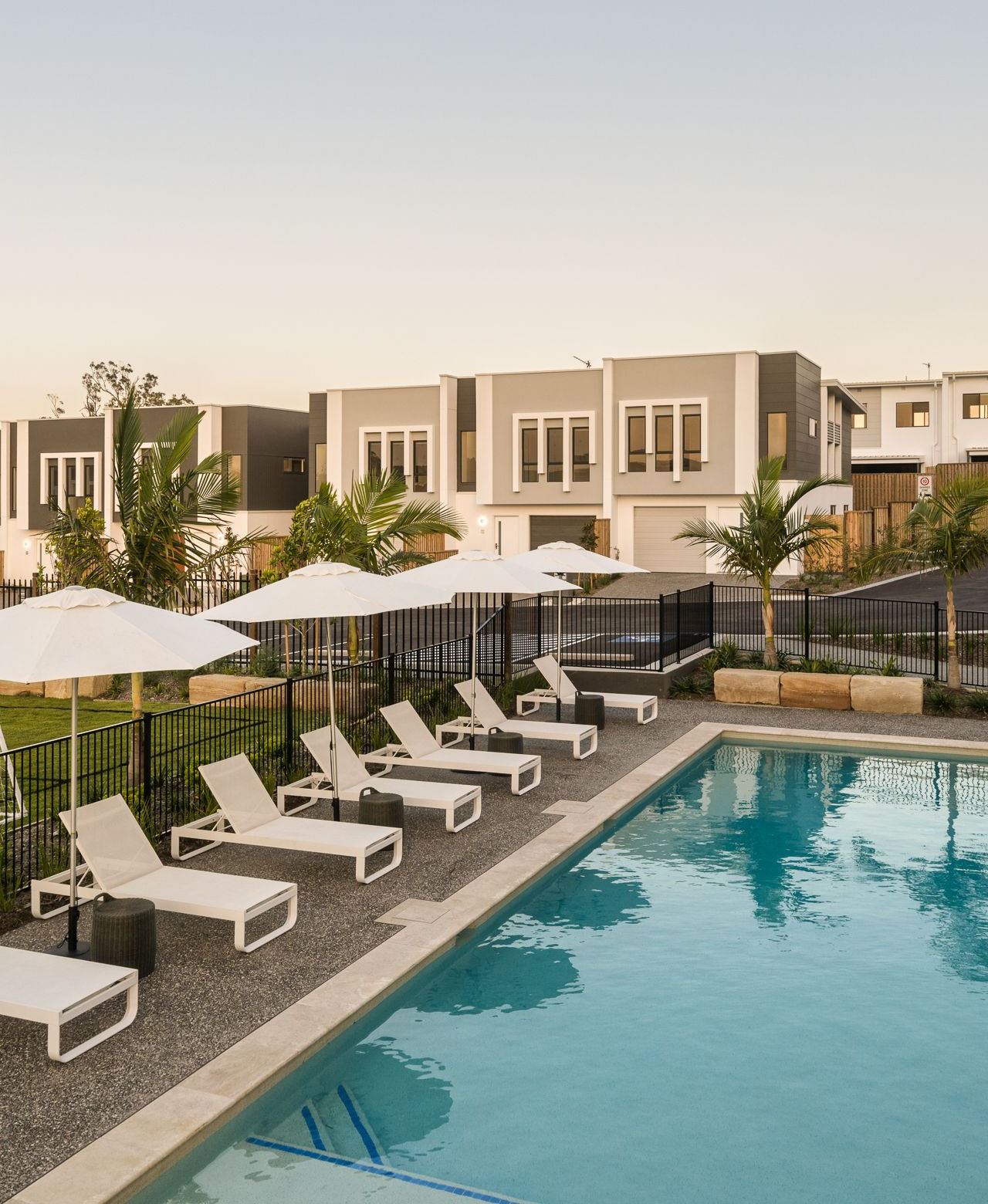
Density is balanced with open space. Landscaping is not treated as an afterthought. Shared amenities are positioned to enhance resident interaction rather than simply meet compliance.
Smaller communities often foster stronger neighbour connections. Residents recognise each other. Shared spaces are respected. A sense of belonging develops organically.
On the Gold Coast, where lifestyle underpins property demand, community outcomes directly influence long-term value.
Developments that feel cohesive retain appeal. Those that feel overcrowded often decline in perception over time.
Direct Access To Decision Makers
In larger organisations, communication is layered. Queries pass through sales teams, administrators, and regional managers before reaching senior leadership.
Boutique property developers operate with accessibility.
Buyers and investors often engage directly with the development team. Questions are answered by those involved in the project’s creation, not outsourced representatives.
This transparency fosters confidence. It also ensures feedback is absorbed quickly and acted upon where appropriate.
When searching for a property developer near me, proximity should extend beyond geography. It should include access to leadership and accountability.
Stronger Alignment Between Development And Management
One of the overlooked advantages of boutique scale is integration.
Developers who maintain close relationships with property management divisions gain insight into how their projects perform long-term. Maintenance patterns, tenant preferences, and rental performance inform future design decisions.
This feedback loop strengthens subsequent developments.
Rather than treating construction as a completed transaction, boutique developers often view projects as living communities requiring ongoing stewardship.
That perspective enhances durability and protects asset value.
Reputation Built On Fewer, Better Projects
Large-scale developers rely on brand reach. Boutique developers rely on reputation.
When operating at a smaller scale, each project carries greater weight. Quality lapses are more visible. Success builds cumulative trust.
This accountability drives higher standards.
On the Gold Coast, where buyers and investors are increasingly discerning, a reputation anchored in performance matters more than promotional scale.
The best boutique property developer Gold Coast communities recognise is often defined not by volume delivered, but by the consistency of outcomes achieved.
The Long-Term View
Boutique development is inherently long-term focused.
With fewer projects underway, attention is not divided across excessive portfolios. Time can be invested in refining layouts, selecting materials suited to coastal conditions, and ensuring structural resilience.
This mindset supports enduring quality rather than short-term turnover.
In growth markets like the Gold Coast, where population expansion continues to drive construction, disciplined development contributes to sustainable urban evolution.
Quality communities uplift surrounding areas. Poorly considered developments can strain infrastructure and diminish neighbourhood appeal.
Scale influences impact.
Why Smaller Scale Matters
The Gold Coast does not need more buildings. It needs well-considered communities.
Boutique property developers operate with the flexibility to respond to site nuance, the discipline to oversee construction closely, and the intention to prioritise livability over yield alone.
For buyers and investors evaluating options, understanding the structural differences between boutique and volume models clarifies why a smaller scale can deliver stronger results.
Quality control improves. Design cohesion strengthens. Timelines stabilise. Community outcomes endure.
On the Gold Coast, thoughtful development shapes not just property portfolios, but the future character of the region.
And in that context, smaller scale often means better results.
Recent Posts