Across many major Australian cities, housing supply continues to struggle to keep pace with population growth.
Infrastructure investment, interstate migration, and ongoing demand for lifestyle locations are placing increasing pressure on key growth regions.
Rather than focusing purely on existing property stock, Government policy is now leaning more heavily toward encouraging the delivery of new housing.
This includes ongoing discussions around:
- Incentives favouring newly constructed homes
- Continued support for housing supply expansion
- Long-term infrastructure investment in growth corridors
- Increased focus on medium-density living solutions, such as townhomes
For investors, this creates a market environment where new developments may continue to benefit from both policy support and rising demand.
Why Growth Corridors Continue To Attract Investors
Growth areas across South East Queensland continue to attract strong attention due to a combination of affordability, infrastructure expansion, and lifestyle appeal.
These locations are often supported by:
- Expanding transport networks
- New schools and community infrastructure
- Employment growth
- Population migration from interstate buyers
- Strong rental demand
As land availability becomes more limited in established suburbs, many buyers and renters are naturally moving toward emerging lifestyle corridors that still offer relative value and long-term growth potential.
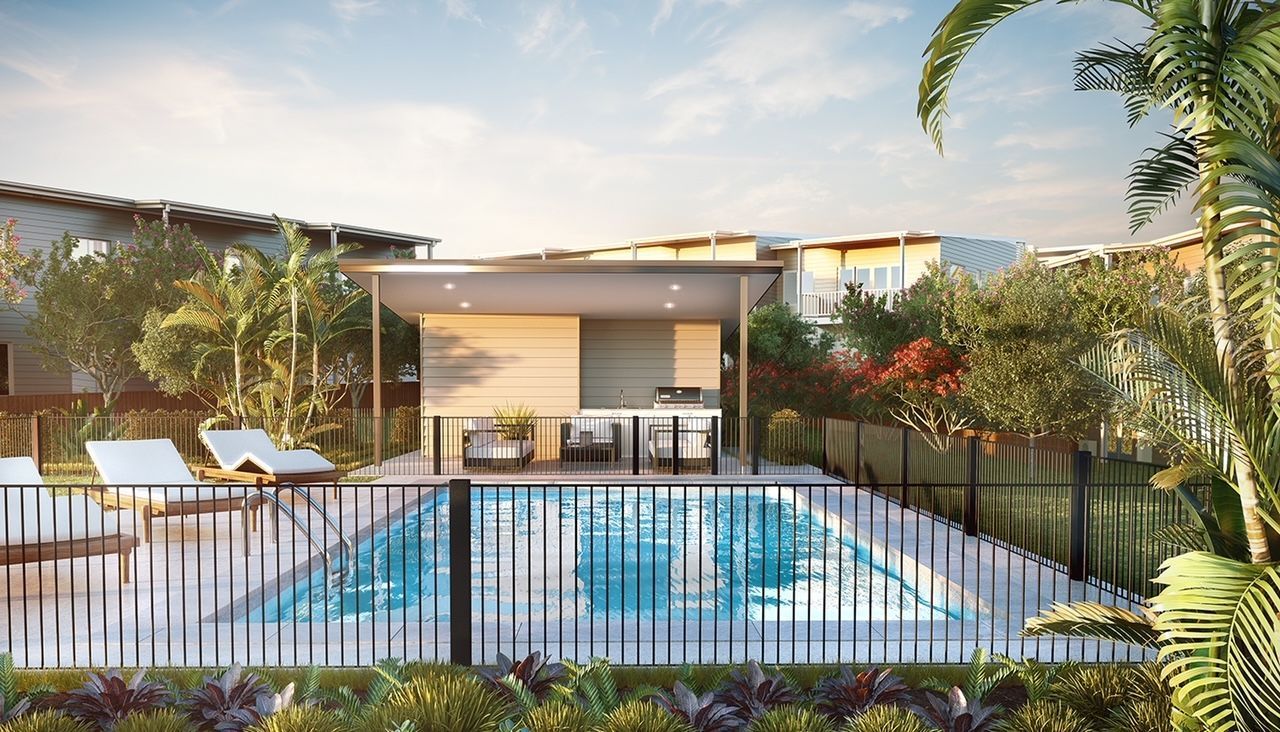
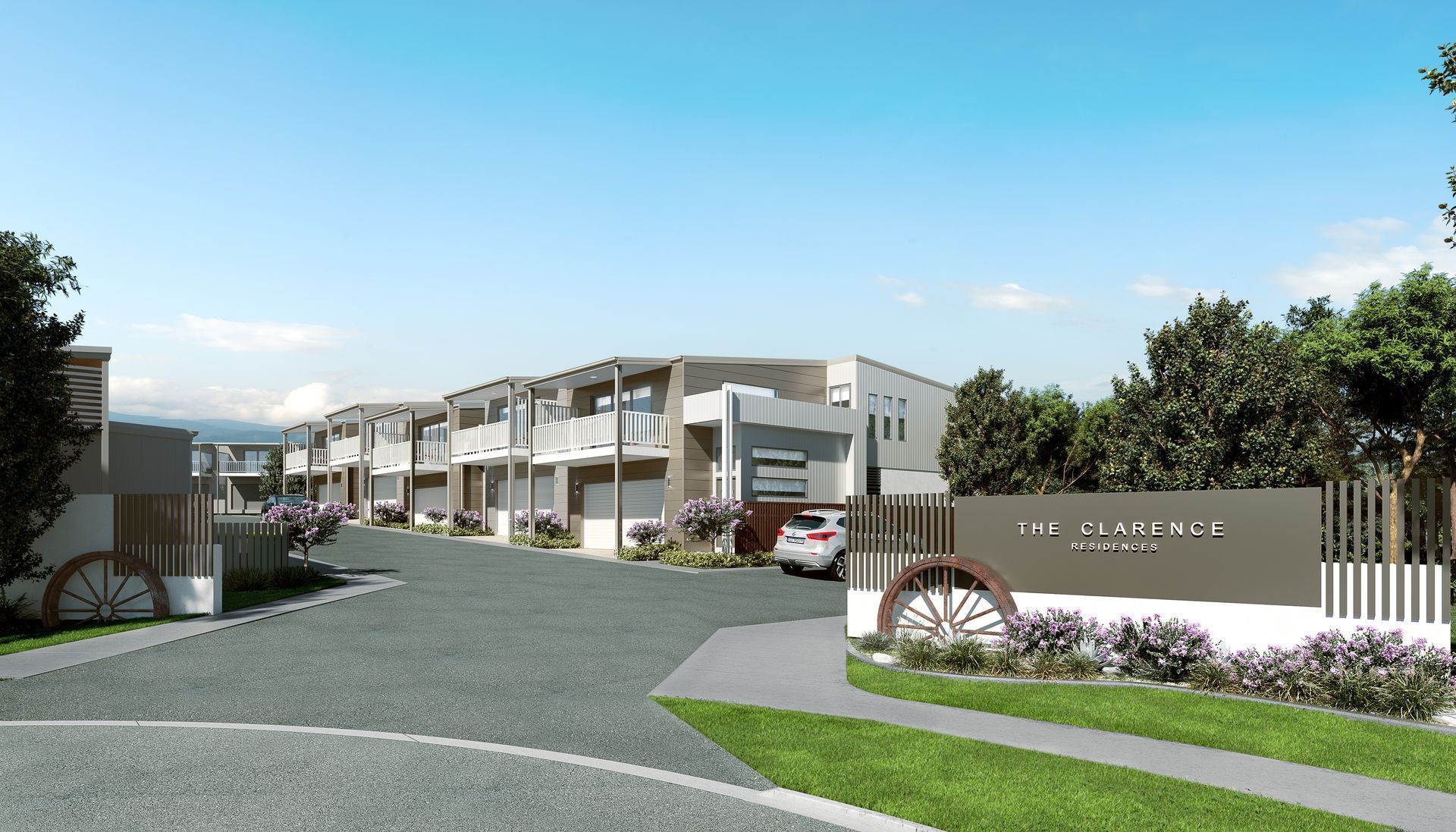
This is one reason why new townhomes and boutique residential communities continue to gain momentum with both owner-occupiers and investors.
The Appeal Of New Homes And Townhomes
Newly built properties offer several advantages that continue to resonate strongly in the current market.
For investors, this often includes:
Lower Ongoing Maintenance
New homes typically require fewer immediate repairs and upgrades compared to older established properties, helping reduce unexpected ownership costs in the early years.
Modern Design And Energy Efficiency
Today’s buyers and tenants are increasingly prioritising practical layouts, energy efficiency, and low-maintenance living. New builds are designed with modern lifestyles in mind, creating stronger long-term appeal.
0
Well-positioned townhomes and new residential communities often attract tenants looking for newer properties close to infrastructure, retail precincts, schools, and lifestyle amenities.
Depreciation Benefits
New properties may also provide stronger depreciation opportunities compared to older homes, which can be an important consideration for investors seeking long-term performance.
A Shift Toward Smarter, Long-Term Investment
The property market has become increasingly strategic. Investors are no longer simply chasing short-term growth.
Many are now focusing on assets that align with future infrastructure, demographic trends, and long-term housing demand.
This is where boutique developments and carefully planned communities can play an important role.
At BOS Property, we continue to see strong interest in quality-built homes and townhomes located within carefully selected growth areas across South East Queensland.
The focus is no longer just about purchasing property.
It is about investing in locations and communities positioned for future liveability, connectivity, and sustained demand.