
What Investors Should Look For Before Buying Their Next Gold Coast Investment Property
Buying an investment property is easy. Buying the right one takes strategy.
The Gold Coast continues to be one of Australia's most attractive property markets, drawing interest from first-time investors, experienced buyers and interstate purchasers alike.
Strong population growth, lifestyle appeal and ongoing infrastructure investment have helped create long-term confidence in the region.
But purchasing an investment property should never be based on headlines or market hype alone.
The most successful investors take a measured approach. They look beyond the asking price and focus on the factors that drive long-term performance.
If you're considering
Property Investment Gold Coast, this guide outlines the key factors that should influence your next investment decision.
1. Choose the Right Location Before Anything Else
You've probably heard the phrase "location, location, location," and for good reason.
Location remains one of the strongest drivers of long-term property performance.
A well-located property is more likely to attract quality tenants, maintain demand, and achieve stronger capital growth over time.
Look for suburbs that offer:
Access to major transport routes
Quality schools
Shopping centres
Healthcare facilities
Parks and recreational areas
Employment opportunities
On the Gold Coast, buyers are increasingly prioritising convenience and lifestyle, making well-connected suburbs particularly attractive.
2. Understand Local Rental Demand
A property is only a strong investment if people want to live there.
Before purchasing, research the suburb's rental market.
Consider:
Vacancy rates
Rental demand
Average rental prices
Tenant demographics
Competition from nearby properties
Areas with healthy rental demand can provide:
More consistent rental income
Reduced vacancy periods
Better tenant retention
Strong rental demand is one of the foundations of successful Property Investment Gold Coast strategies.
3. Look Beyond Today's Market Conditions
Many investors delay purchasing because they are waiting for the "perfect" time.
The reality is that predicting market movements is extremely difficult.
Instead of focusing solely on interest rates or short-term price fluctuations, consider:
Long-term population growth
Infrastructure investment
Employment growth
Community planning
Lifestyle demand
Quality property in a desirable location often performs well over the long term regardless of short-term market cycles.
4. Research Planned Infrastructure
Infrastructure investment has a direct impact on property demand.
Road upgrades, public transport, schools, and shopping precincts all improve how communities function.
Look for suburbs benefiting from:
New transport links
Education facilities
Medical services
Retail developments
Community infrastructure
These projects often increase buyer confidence and support future property values.
Infrastructure is one of the strongest long-term indicators of growth.
5. Buy a Property That Appeals to Modern Tenants
Tenant expectations continue to evolve.
Today's renters often prioritise:
Functional layouts
Air conditioning
Storage
Energy efficiency
Outdoor living
Work-from-home flexibility
Low-maintenance living
Properties designed around modern lifestyles generally attract stronger tenant demand.
This can help improve occupancy and reduce vacancy.
6. Consider the Reputation of the Developer
If you are buying a new property, the developer matters.
A reputable developer is more likely to deliver:
Quality construction
Practical floorplans
Consistent workmanship
Thoughtful community planning
Poor construction quality can result in:
Higher maintenance costs
Reduced tenant appeal
Lower resale confidence
At BOS Property, every development is planned with a long-term focus on quality, liveability and community outcomes.
Choosing an experienced developer can influence your investment long after settlement.
7. Understand Body Corporate Responsibilities
If you're buying a townhouse or property within a managed community, body corporate fees should be part of your research.
These fees often contribute to maintaining:
Landscaping
Shared facilities
Building exteriors
Insurance for common areas
Community presentation
Rather than viewing body corporate costs as simply another expense, consider the value they provide.
Well-maintained communities often support stronger presentation and long-term buyer appeal.
Before purchasing, review:
Annual fees
Financial records
Planned maintenance
Sinking fund balances
Understanding these costs helps avoid surprises.
8. Think About Cash Flow
A successful investment should be financially sustainable.
Consider all ongoing expenses, including:
Loan repayments
Council rates
Water charges
Insurance
Property management fees
Maintenance
Body corporate contributions, where applicable
Compare these costs against expected rental income.
Strong cash flow planning helps investors manage changing market conditions more confidently.
9. Don't Overlook Long-Term Capital Growth
Rental income is important, but long-term wealth is often built through capital growth.
Look for locations with:
Population growth
Limited land supply
Infrastructure investment
Strong owner-occupier demand
Lifestyle appeal
These factors can contribute to stronger property value growth over time.
Rather than chasing the highest rental yield, experienced investors often look for a balance between cash flow and future appreciation.
10. Assess the Quality of the Community
The property itself is only part of the investment.
The surrounding community also matters.
Look for developments that offer:
Attractive landscaping
Consistent architectural design
Walkability
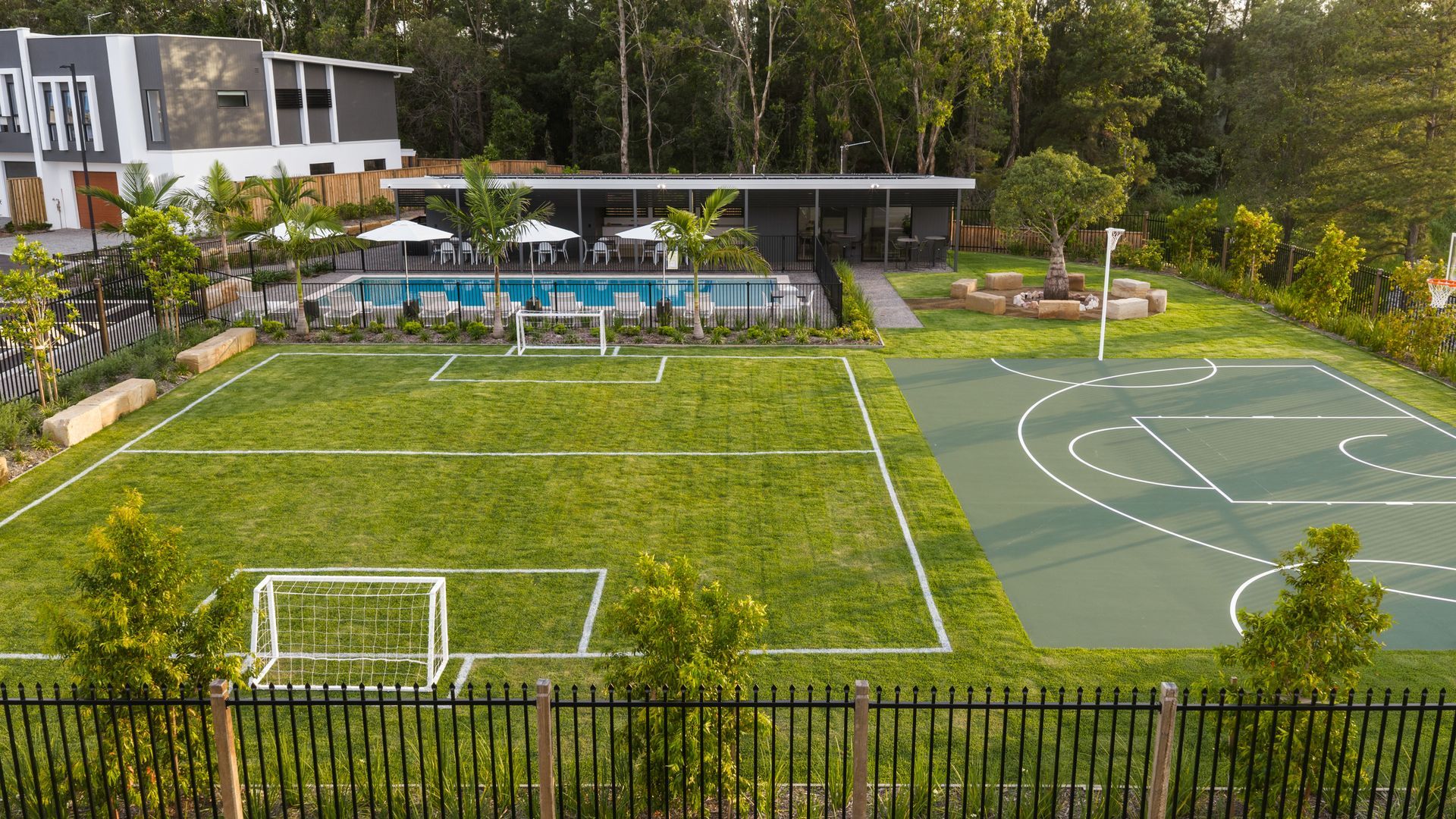
Green spaces
Family-friendly environments
Communities that are well planned often remain desirable for both renters and future buyers.
This supports long-term investment performance.
11. Buy for the Future, Not Just Today
Think about how the property will perform over the next decade.
Ask yourself:
Will people still want to live here in ten years?
Is the suburb continuing to grow?
Are new amenities planned?
Is the property adaptable to changing lifestyles?
Properties with strong long-term fundamentals generally provide greater confidence than those relying on short-term market trends.
12. Work With Experienced Professionals
Successful property investment is rarely a solo journey.
Many investors benefit from working with experienced professionals, including:
Property developers
Property managers
Mortgage brokers
Accountants
Conveyancers
Each provides valuable expertise that can help support better investment decisions.
Professional guidance can also reduce risk throughout the buying process.
Common Mistakes Investors Should Avoid
Many investment mistakes are preventable.
Some of the most common include:
Buying based on emotion
Focusing only on purchase price
Ignoring rental demand
Overlooking ongoing costs
Choosing poor-quality construction
Failing to research the suburb
Underestimating maintenance expenses
Taking the time to research thoroughly often leads to stronger long-term outcomes.
Buying an investment property is one of the biggest financial decisions you'll make.
The strongest investments are rarely chosen because they were the cheapest or the newest.
They are chosen because they combine:
Great location
Strong rental demand
Quality construction
Infrastructure growth
Financial sustainability
Long-term liveability
If you're exploring Property Investment Gold Coast, focus on the fundamentals that continue to create value over time.
Because successful investing is not about finding a perfect market.
It is about buying the right property in the right location with a long-term strategy in mind.
FAQs
1. What should I look for before buying an investment property on the Gold Coast?
Focus on location, rental demand, infrastructure, property quality, developer reputation, cash flow, body corporate costs, and long-term capital growth potential.
2. Is the Gold Coast still a good place for property investment?
Many investors continue to view the Gold Coast as a strong long-term market due to population growth, lifestyle appeal, infrastructure investment and healthy rental demand.
3. Why is rental demand important when investing?
Strong rental demand helps reduce vacancy periods, supports consistent rental income, and improves the long-term performance of an investment property.
4. Should I buy a townhouse or a house as an investment?
Both can perform well depending on the location, tenant demand, maintenance requirements, and long-term growth potential. The best choice depends on your investment goals.
Recent Posts