
From Concept to Completion: What Happens Before You See the Finished Development
Ever driven past a finished development and wondered how it all came together?
Most people only see the final result.
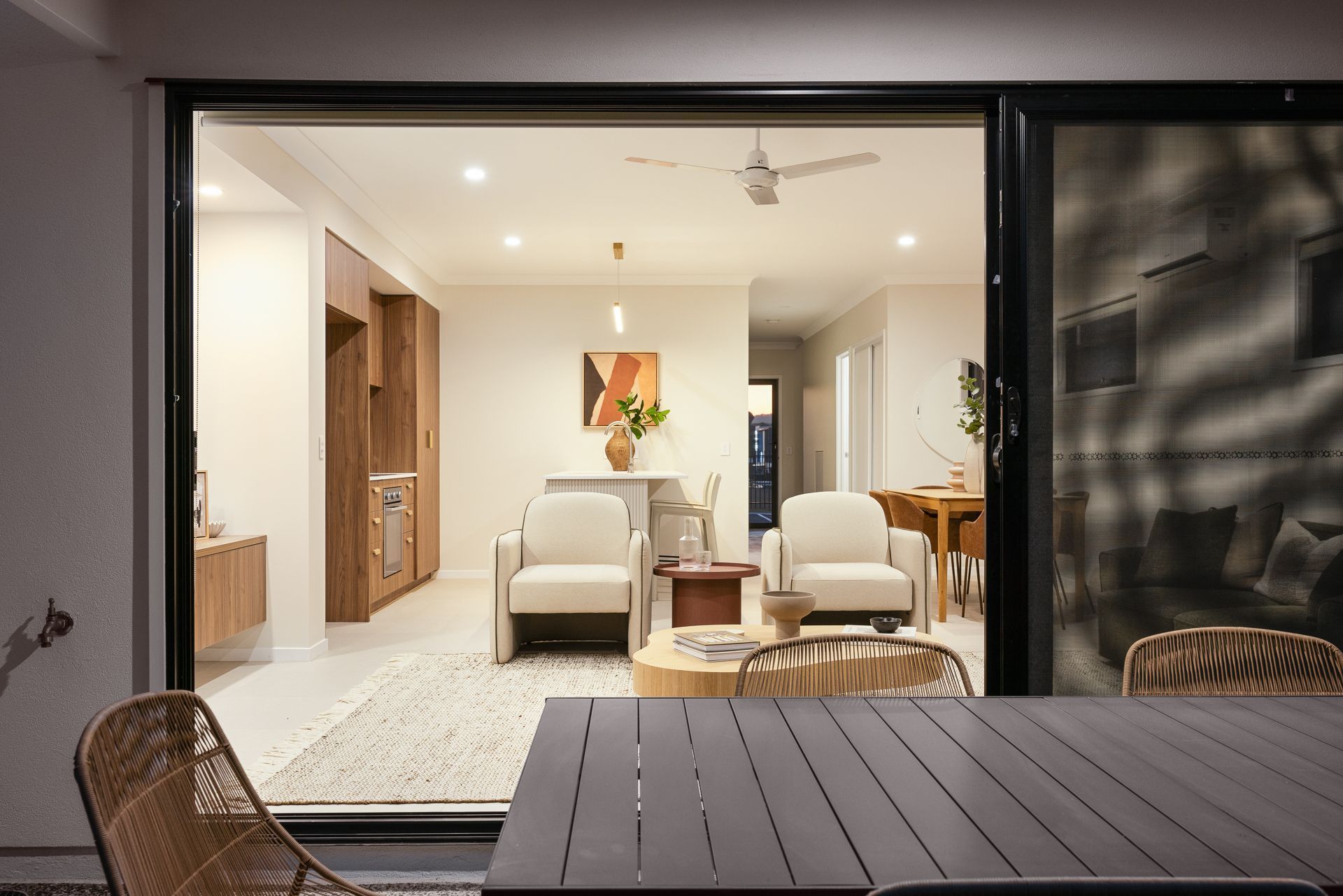
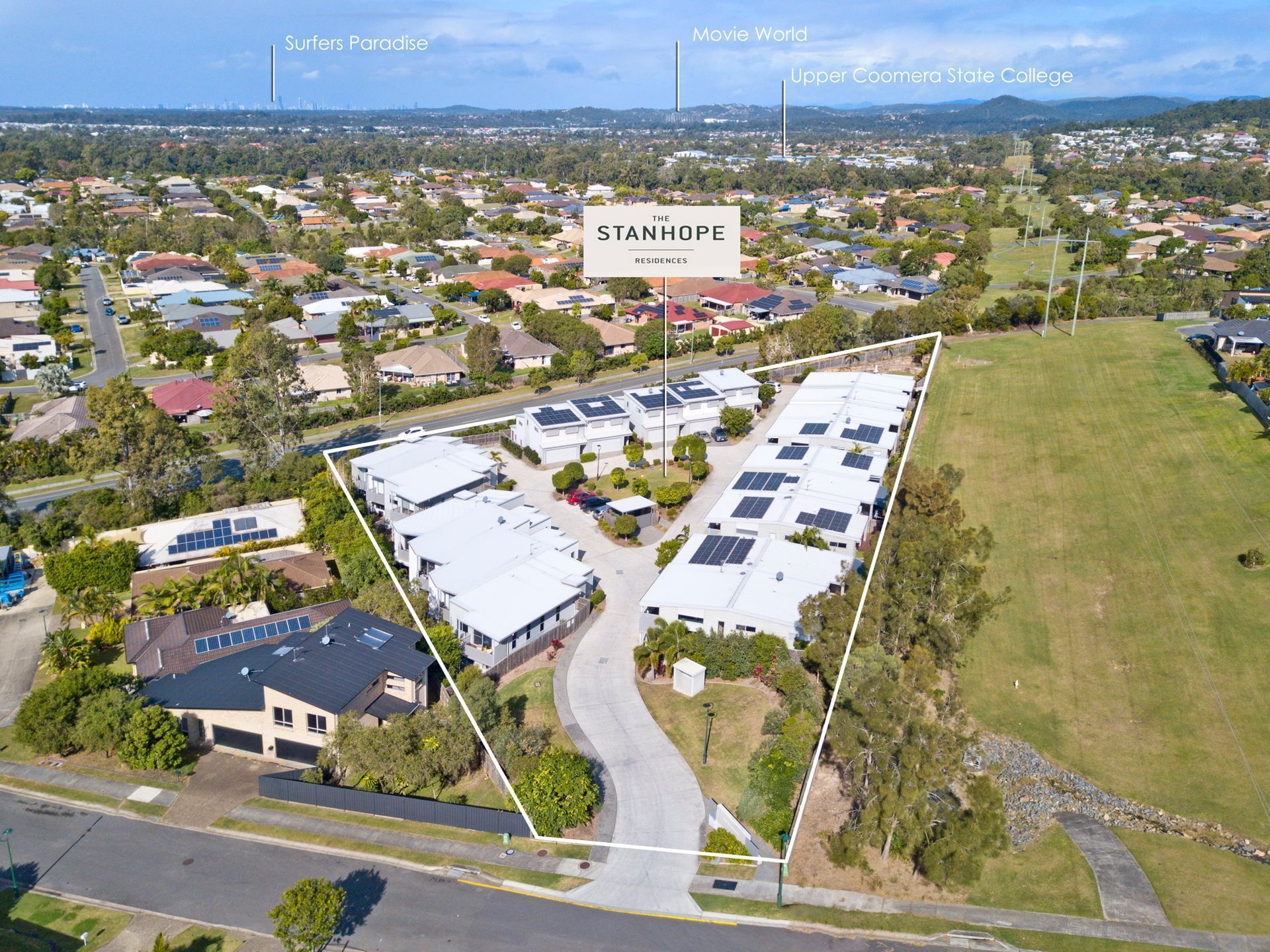
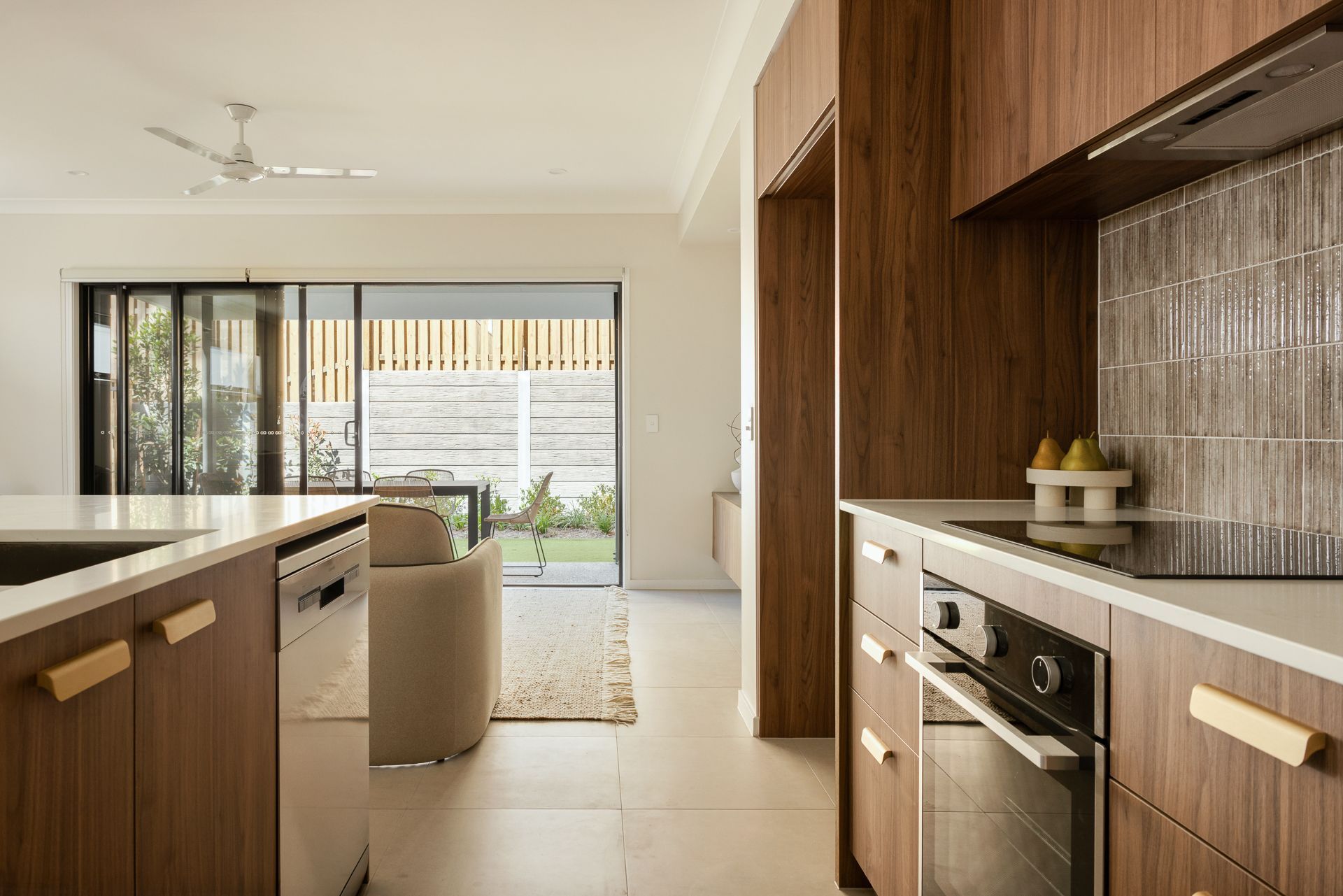
The completed homes. The polished landscaping. The finished streets and façades.
But long before a development reaches that stage, there are years of planning, collaboration, approvals, and problem-solving happening behind the scenes.
In reality, property development is far more than construction.
Every successful project starts with a vision, but bringing that vision to life takes careful planning, industry expertise, and a long-term approach.
For an experienced Property Developer Gold Coast, the work begins well before the first slab is poured.
Here’s what really happens before you see the finished development.
It Starts With Identifying the Right Location
Every development begins with one critical decision:
Where should it be built?
This stage involves far more than simply finding available land.
Developers carefully assess:
- Future population growth
- Infrastructure plans
- Transport access
- Lifestyle demand
- School and retail proximity
- Long-term investment potential
The goal is to understand not just what works today, but what will continue to work years into the future.
Strong developments are built in locations that support long-term liveability and community growth.
That is why experienced Property Developer Gold Coast teams spend significant time researching before any design work begins.
Understanding the Community and Market Needs
Before plans are drawn, developers need to understand who the project is actually for.
Different communities have different priorities.
For example:
- Families may prioritise parks and larger living spaces
- Professionals may want low-maintenance homes close to transport
- Downsizers may value accessibility and walkability
This stage helps shape:
- Property type
- Layouts
- Amenities
- Design approach
Good developments are not designed around trends alone.
They are designed around how people genuinely live.
The Planning and Feasibility Stage
Once a suitable site is identified, developers move into feasibility and planning.
This is where ideas become structured plans.
At this stage, teams assess:
- Development costs
- Council requirements
- Engineering constraints
- Environmental considerations
- Infrastructure connections
- Project timelines
Feasibility is essential because even great ideas need to be practical, sustainable, and financially viable.
This process often takes months before anything becomes visible to the public.
Working Through Council Approvals
One of the most important stages in any development is obtaining approvals.
This is often one of the longest parts of the process.
Developers work closely with:
- Town planners
- Architects
- Engineers
- Consultants
- Local councils
Approval processes may include:
- Zoning assessments
- Traffic impact studies
- Environmental reports
- Stormwater planning
- Community considerations
Councils assess whether the development aligns with local planning guidelines and future growth strategies.
For a Property Developer Gold Coast, navigating approvals successfully requires experience, patience, and detailed planning.
Design Refinement: More Than Just Appearance
Many people assume design is only about aesthetics.
In reality, good design focuses heavily on functionality and long-term liveability.
During this phase, developers refine:
- Floorplans
- Natural light flow
- Ventilation
- Privacy between homes
- Storage solutions
- Outdoor spaces
- Energy efficiency
Even small details can significantly impact how a property feels to live in.
Modern buyers expect homes that are:
- Functional
- Comfortable
- Low-maintenance
- Adaptable to changing lifestyles
This is why design refinement plays such a major role in successful developments.
Selecting Materials and Construction Standards
Before construction begins, developers carefully select materials, finishes, and building methods.
This stage influences:
- Durability
- Maintenance requirements
- Energy efficiency
- Long-term property value
Experienced developers focus on balancing:
- Visual appeal
- Quality
- Longevity
- Practical performance
Construction standards matter because buyers are increasingly focused on long-term quality, not just presentation.
A well-built home should continue performing well years after completion.
Coordinating the Construction Process
Once approvals are secured and plans are finalised, construction can begin.
This is the stage most people notice, but it is only one part of the overall journey.
Construction involves coordinating multiple teams, including:
- Builders
- Electricians
- Plumbers
- Landscapers
- Surveyors
- Project managers
Every stage must be carefully scheduled and managed.
Unexpected challenges can arise, including:
- Weather delays
- Supply shortages
- Material availability
- Site conditions
Strong project management keeps everything moving while maintaining quality standards.
Quality Control and Ongoing Inspections
Professional developments involve continuous inspections throughout construction.
This helps ensure:
- Building standards are met
- Workmanship remains consistent
- Safety requirements are followed
- Issues are identified early
Quality control is not something left until the end. It happens throughout the entire build process.
This stage protects both the integrity of the project and the long-term experience of future residents.
Landscaping and Community Spaces
One of the final stages of development is often the part people connect with emotionally.
Landscaping and shared spaces help transform a construction site into a community.
This may include:
- Streetscaping
- Green spaces
- Pathways
- Outdoor seating areas
- Entry features
These details shape how a development feels day to day.
Well-designed communities are not just functional.
They feel welcoming, connected, and easy to live in.
The Final Handover Process
Before residents move in, the development goes through final inspections and compliance checks.
This stage ensures:
- Homes meet required standards
- Finishes are completed correctly
- Safety requirements are satisfied
- Defects are addressed
Only after these checks are complete can the project officially be handed over to buyers and residents.
For developers, this is the result of years of work behind the scenes.
Why the Process Matters
A successful development is not defined by appearance alone.
It is shaped by the decisions made long before construction begins.
Every stage influences:
- Liveability
- Long-term value
- Community appeal
- Quality of life
At BOS Property, the focus is on creating developments designed to stand the test of time.
That means taking a thoughtful, disciplined approach from concept to completion. Because great communities are not rushed.
They are carefully planned, refined, and built with purpose.
When you see a completed development, you are seeing the final chapter of a much longer story.
Behind every finished home is:
- Strategic planning
- Detailed approvals
- Careful design
- Coordinated construction
- Ongoing quality control
For a Property Developer Gold Coast, success is not just about building homes.
It is about creating places people genuinely want to live for years to come.
And that starts long before the construction fences go up.
FAQs
1. What does a property developer do?
A property developer manages the planning, design, approvals, and construction process to create residential or commercial developments.
2. How long does property development take on the Gold Coast?
Property development timelines vary depending on project size, approvals, and construction complexity, but many projects take several years from concept to completion.
3. Why are council approvals important in property development?
Council approvals ensure developments meet zoning, environmental, safety, and infrastructure requirements before construction begins.
4. What makes a successful property development?
Successful developments focus on location, liveability, quality construction, thoughtful design, and long-term community value.
Recent Posts